



Glass block is a timeless building material that combines natural light, privacy, and durability in one design solution. Unlike traditional windows or solid walls, glass block allows light to pass through while maintaining separation, strength, and visual interest.
Homeowners choose glass block for its clean appearance and low maintenance. Contractors value it for its long-term performance, structural integrity, and versatility across residential and commercial projects.
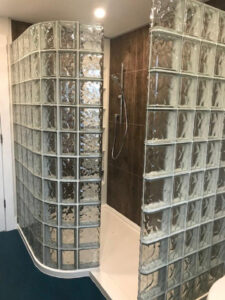
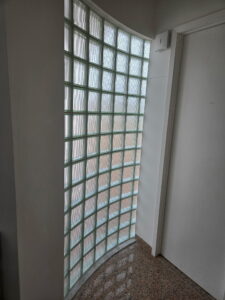
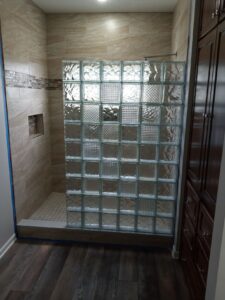
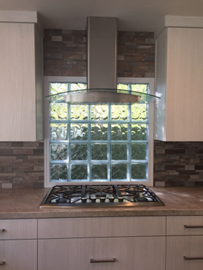
Is Glass Block Right for YOU?
Glass block is ideal if you want:

- More natural light
- Increased privacy
- strong, secure materials
- Timeless design appeal
- Low Maintenance solutions
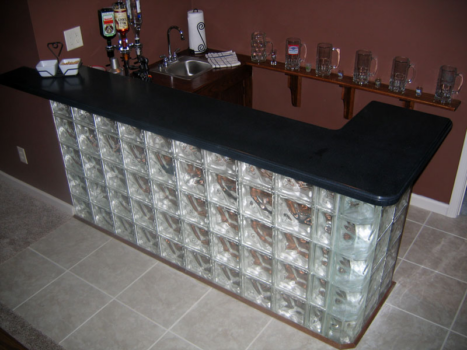
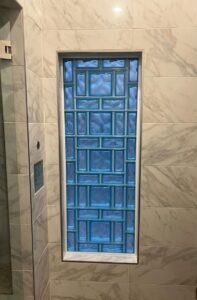
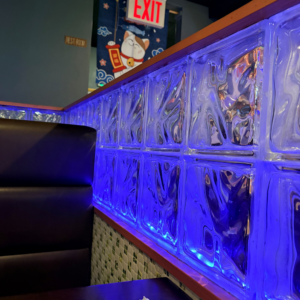
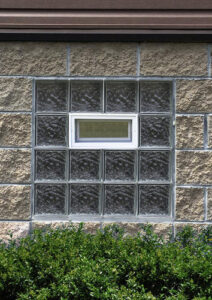
Glass Block Styles & Design Uses
Where Function Meets Design
Seves Glass block can blend seamlessly into space – or become a bold architectural feature. The style you choose helps define the look and feel of the room.
Common Design Styles:
Modern & Minimalist Traditional & Transitional Accent & Statement Designs
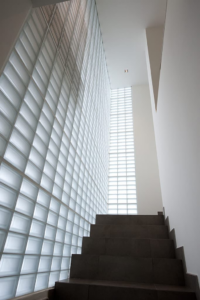
1. Clean lines and simple layouts 2. Clear or lightly textured blocks 3. Works well in open floor plans and contemporary homes
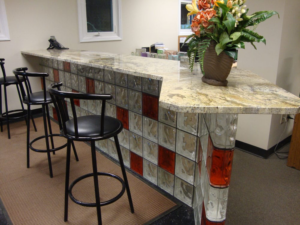
1. Textured or patterned blocks 2. Adds depth and softness 3. Complements classic architectural details
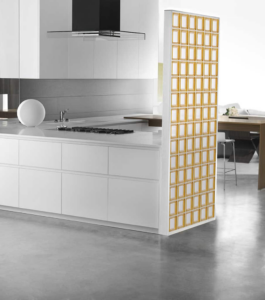
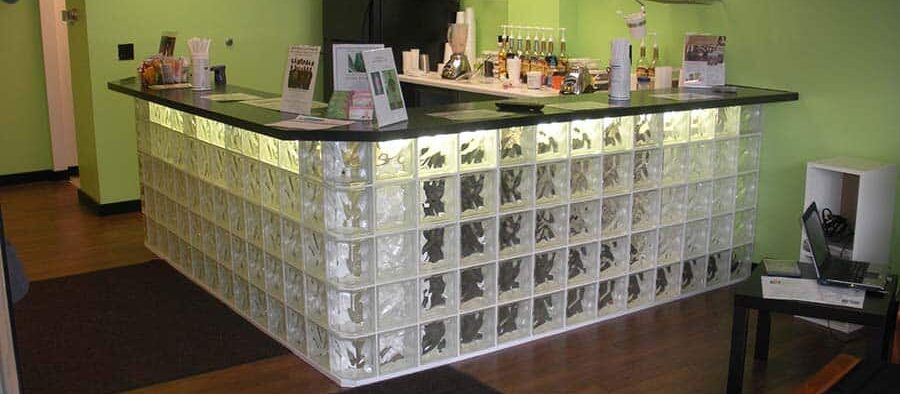
1. Backlit glass block walls 2. Decorative partitions or bar fronts 3. Feature windows or stairwell walls
Understanding Glass Block Patterns
Glass block patterns control how light travels through the block and how visible the opposite side appears. Choosing the right pattern ensures the block performs correctly for its location.
-
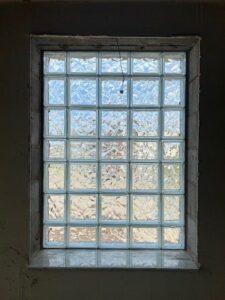
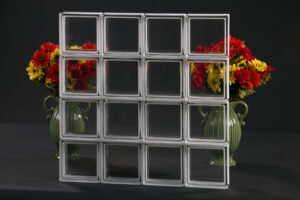
- Medium-Privacy Patterns Best for: Interior partitions, offices Balanced light and visibility Subtle transparency
-
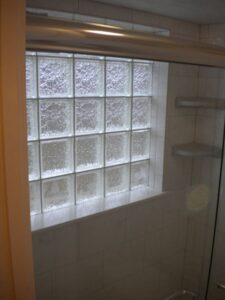
- High-Privacy Patterns Best for: Bathrooms, showers, street-facing windows Strong light diffusion Minimal visibility Comfortable, private feel
-
- Low-Privacy / Clear Patterns Best for: Feature walls, backlit designs Maximum light transmission Minimal distortion
Glass Block Sizes & Shapes Explained
Glass block size and shape affect both the appearance and performance of an installation. The right choice depends on the scale of the space and the desired visual impact.
Common Sizes:
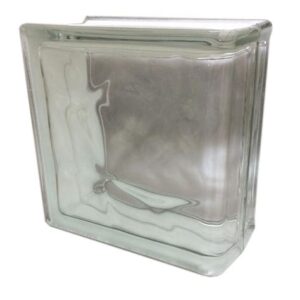
- Small blocks (4”x8” or 6″x6″)
- Ideal for decorative designs and tight spaces
- Standard blocks (8” × 8”)
- Most versatile option for windows, showers, and walls
- Large blocks (12” × 12”)
- Best for bold, modern installations with fewer seams and large commercial projects.
Shapes:
- Square and rectangular blocks for most applications
- Corner blocks for clean, finished edges
- Curved or specialty shapes (such as end blocks) for rounded or custom designs
Choosing Glass Block for Different Spaces
Different environments place different demands on glass block. Selecting the right combination of pattern, thickness, and layout ensures long-term performance.
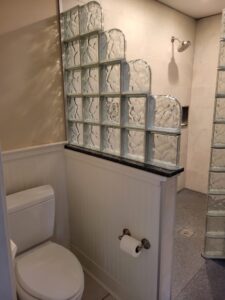
Bathrooms & Showers
- High-privacy patterns
- Moisture-resistant installation systems
- Soft, diffused light

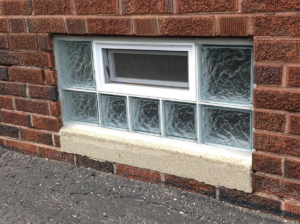
Basements
- Secure blocks for durability
- Optional vent blocks for airflow
- Secure and energy-efficient
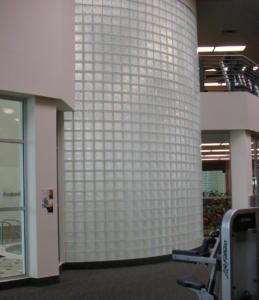
Commercial & High-Traffic Areas
- Strong, impact-resistant blocks
- Clean, professional appearance
- Design options that support branding or architecture
- Fire-Rated Glass Blocks
Installation Basics: What to Know
Glass block installation methods vary based on project size, location, and design requirements. Understanding the basics helps ensure a clean, durable result.
Common Installation Options: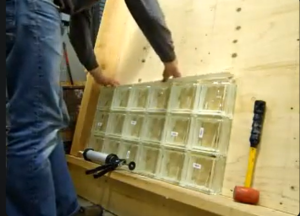
- Mortar Installation – Traditional, permanent, and typically white
- Silicone Installation – DIY friendly, all glass look
- Pre-Assembled Glass Block Units
- Factory-built for consistent spacing and quicker installs
Design Tips & Project Inspiration
Glass block can be subtle or bold, depending on how it’s used. Thoughtful layout and lighting elevate both function and design.
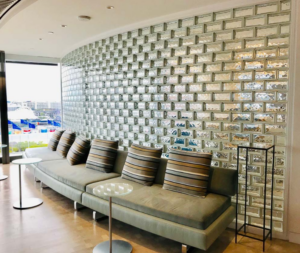
Design Ideas:
- Backlit glass block walls
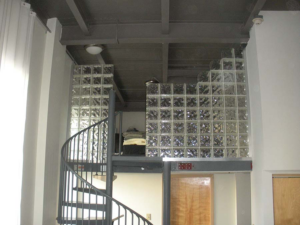 Room dividers that maintain openness
- Stairwell or hallway light walls
- Accent features in bathrooms or living spaces
Planning Tips:
- Use lighting to enhance texture
- Consider block size in relation to room scale
- Treat glass block as an architectural element, not just a window









very educational!